The FOODPrint project has successfully developed and tested an innovative Food Eco-Labelling System designed to help young people better understand the environmental and social impact of the food they consume. The tool was implemented across six European countries as part of the Erasmus+ European Youth Together project FOODPrint (FOOP).
The Eco-Labelling System was created under the project’s Capacity Building and Youth in Action work packages and is based on the principles of Doughnut Economics. It translates complex sustainability indicators into a simple and accessible A–E grading scale, allowing users to assess products according to their sustainability performance.
The system evaluates food products through three key sustainability dimensions:
- Environmental impact, including climate footprint, water use, local sourcing, seasonality, packaging, and processing levels
- Social responsibility, including labor rights, ethical certifications, and corporate transparency
- Animal welfare and aquatic sustainability, including responsible farming and sustainable seafood practices
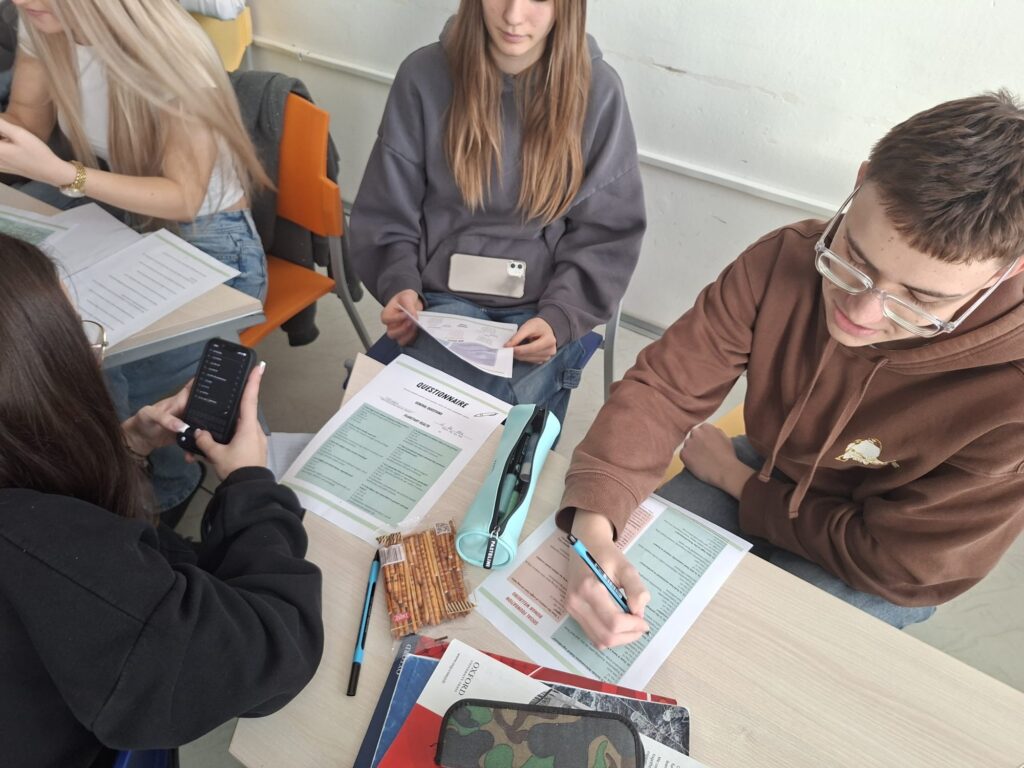
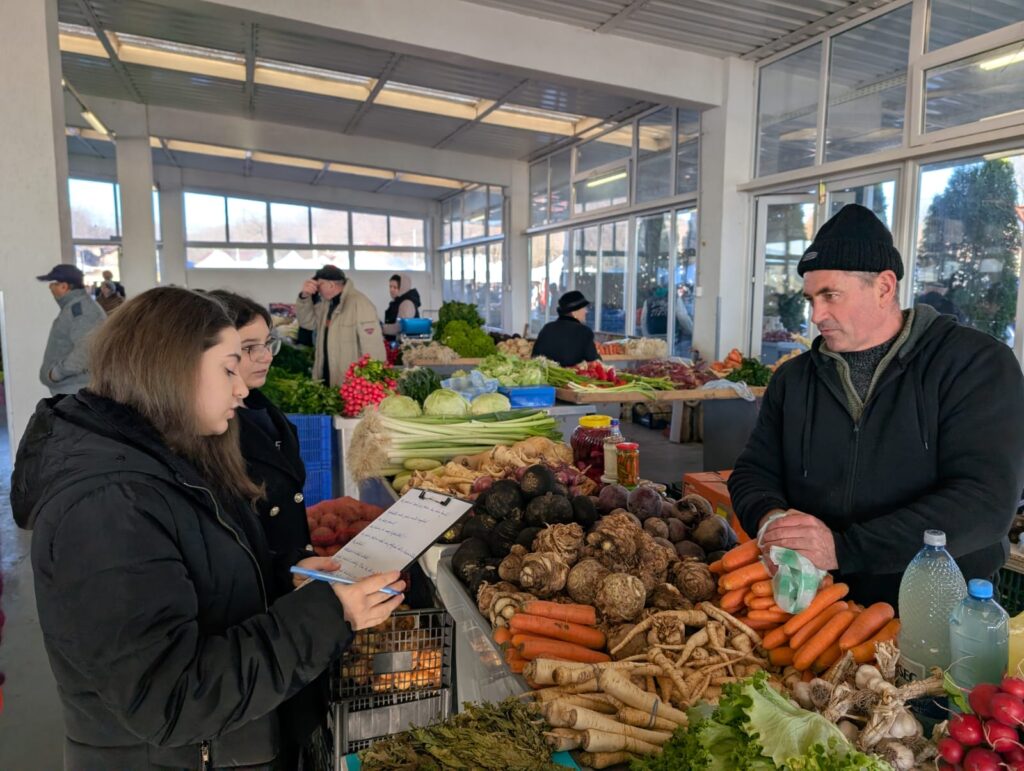
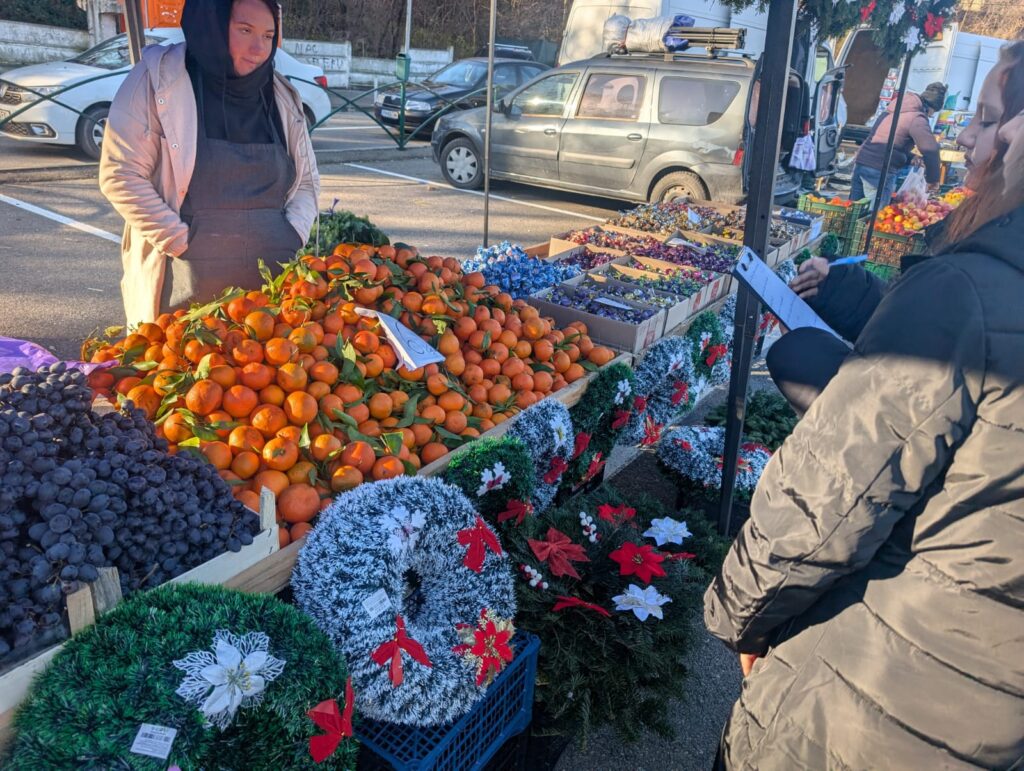
As part of the pilot implementation, 60 young “Future Food Influencers” from the Netherlands, Germany, Greece, Romania, Slovakia, and North Macedonia participated in the activity. Together, they completed and analyzed 44 structured product assessments in supermarkets, school canteens, and fast-food chains.
The findings highlighted several important sustainability challenges within current food systems. More than half of the assessed products were identified as highly processed, while 67% of participants noticed unnecessary packaging. Participants also reported high uncertainty regarding local sourcing, water footprint, ethical certifications, and animal welfare labels, demonstrating the need for more transparent and accessible sustainability information for consumers.
Beyond raising awareness, the activity significantly strengthened participants’ sustainability literacy, critical thinking skills, and understanding of food systems. Young people reported increased confidence in discussing environmental issues and applying sustainability concepts in real-life situations.
The transnational implementation of the Eco-Labelling System also demonstrated strong cooperation among partner organizations and confirmed that the methodology can be adapted to different national contexts and food markets. The project consortium has already decided to continue testing and improving the tool in future project activities, including the Innovation Factory and the Great European Bake Off Challenge.
Looking ahead, the FOODPrint partners plan to further develop the Eco-Labelling tool into a more advanced digital format that could potentially integrate QR codes and AI-supported databases. The tool also has strong potential for integration into formal and non-formal education, local municipalities, and wider EU sustainability initiatives.
The FOODPrint Eco-Labelling System represents an important step toward empowering young people to make more informed, responsible, and sustainable food choices while promoting environmental awareness and active citizenship across Europe.